
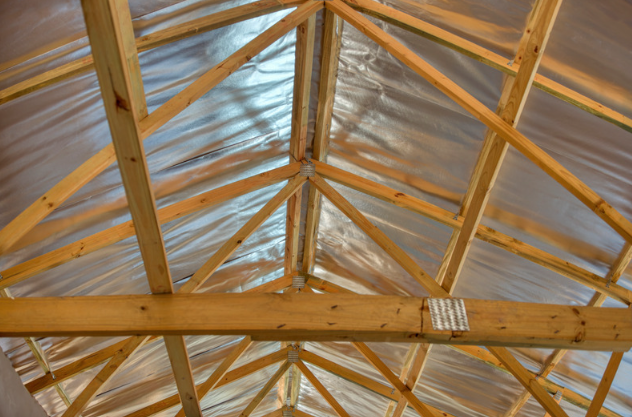
Hidden beneath every well-constructed roof lies a critical layer of protection that many homeowners never see but cannot afford to ignore. Sarking, the protective membrane installed beneath roof tiles or metal roofing, serves as your home's first line of defence against moisture, heat, and fire.
In Australia's diverse climate, from scorching summers to torrential rain events, sarking plays an indispensable role in maintaining building integrity and energy efficiency. This material barrier prevents moisture, dust, and radiant heat from penetrating the home, contributing significantly to indoor comfort and structural longevity.
Whether you are building a new home, renovating an existing property, or simply want to understand what protects your family from the elements, this comprehensive guide explores everything you need to know about sarking, its benefits, types, and why skipping this essential component can lead to costly consequences.
Sarking is not just an optional extra in Australian construction. In bushfire prone areas and regions with high humidity, it is a mandatory requirement that protects both your property and your family's safety.
What Is Sarking?
Sarking is a protective sheeting material installed directly beneath roof cladding, whether that be tiles, metal sheets, or other roofing materials. It creates a continuous barrier across the roof structure, sitting above the rafters or trusses and below the battens that support the roof covering.
The primary function of sarking is to prevent the infiltration of water, dust, and embers while also reflecting radiant heat away from the building. In Australian construction, sarking has become increasingly important as building standards have evolved to address our unique climate challenges and bushfire risks.
Types of Sarking Materials
Several types of sarking materials are available in the Australian market, each with specific properties suited to different applications and climate conditions.
| Sarking Type | Material Composition | Key Properties | Best Applications |
|---|---|---|---|
| Reflective Foil Laminate | Aluminium foil bonded to polyethylene or kraft paper | High reflectivity, vapour barrier, lightweight | Hot climates, energy efficiency focus |
| Breathable Membrane | Microporous polyethylene or polypropylene | Water resistant, vapour permeable, durable | High humidity areas, condensation prone regions |
| Composite Reflective Membrane | Foil laminate with breathable backing | Combined reflectivity and breathability | Variable climates, versatile applications |
| Perforated Foil | Aluminium foil with micro perforations | Some breathability, good reflectivity, cost effective | Mild climates, budget conscious projects |
| Woven Polyethylene | Woven high density polyethylene | High tear strength, water resistant, UV stable | Construction phase protection, temporary coverage |
| Fire Rated Sarking (BAL Rated) | Specially treated materials meeting AS 3959 | Ember resistance, radiant heat protection, fire retardant | Bushfire prone areas, high risk zones |
How Sarking Works
Understanding how sarking functions helps appreciate its importance in building construction. Sarking operates through several mechanisms:
- Radiant heat reflection: Reflective sarking materials bounce back up to 97 percent of radiant heat, preventing it from entering the roof space and subsequently the living areas below.
- Water barrier: The continuous membrane prevents wind driven rain and condensation from reaching the ceiling insulation and internal structures.
- Air sealing: By creating a sealed envelope, sarking reduces air infiltration that can carry dust, allergens, and pollutants into the home.
- Ember protection: In bushfire situations, sarking prevents burning embers from entering the roof cavity through gaps in tiles or roofing materials.
The Benefits of Sarking
Installing quality sarking provides multiple benefits that extend far beyond simple weather protection. Understanding these advantages helps homeowners and builders make informed decisions about their roofing systems.
1. Moisture Protection
Moisture infiltration is one of the most damaging forces affecting Australian homes. Sarking serves as a critical moisture barrier in several ways:
- Wind driven rain protection: During storms, rain can be forced under roof tiles and metal sheets by strong winds. Sarking catches this water before it can reach insulation or ceiling materials.
- Condensation management: In regions with significant temperature differentials between day and night, condensation can form on the underside of metal roofing. Sarking prevents this moisture from dripping onto ceiling materials.
- Leak mitigation: If a tile cracks or a metal sheet develops a hole, sarking provides a secondary barrier that channels water to the gutters rather than into the building.
The consequences of inadequate moisture protection include mould growth, timber rot, insulation degradation, and potential structural damage. These issues can remain hidden for years while causing progressive damage to your home.
2. Improved Energy Efficiency
In Australian conditions, reflective sarking can make a substantial difference to your home's energy performance and comfort levels.
Summer Cooling Benefits
During summer, metal roofs can reach temperatures exceeding 80 degrees Celsius. Without sarking, this heat radiates directly into the roof space, raising ceiling temperatures and forcing air conditioning systems to work harder. Reflective sarking can reduce heat transfer through the roof by up to 40 percent.
Winter Heating Benefits
In winter, sarking helps retain warmth within the building by preventing heated air from escaping through the roof structure. The air barrier created by sarking reduces convective heat loss, complementing ceiling insulation performance.
Energy Cost Savings
Studies conducted by the CSIRO have demonstrated that properly installed reflective sarking can reduce air conditioning energy consumption by 15 to 25 percent in summer. Over the lifetime of a building, these savings can amount to thousands of dollars while reducing the home's carbon footprint.
| Climate Zone | Estimated Summer Energy Savings | Primary Benefit |
|---|---|---|
| Tropical (Darwin, Cairns) | 20 to 25 percent reduction | Radiant heat reflection |
| Subtropical (Brisbane, Sydney) | 15 to 20 percent reduction | Combined heat and moisture control |
| Temperate (Melbourne, Adelaide) | 10 to 15 percent reduction | Year round thermal performance |
| Cool Temperate (Hobart, Canberra) | 10 to 12 percent reduction | Winter heat retention |
3. Bushfire Protection
For homes in bushfire prone areas, sarking is not merely beneficial but often mandatory. Australian Standard AS 3959 Construction of Buildings in Bushfire Prone Areas specifies requirements for sarking based on the Bushfire Attack Level (BAL) rating of the property.
Ember Attack Protection
During bushfires, burning embers can travel kilometres ahead of the fire front. These embers can enter roof spaces through gaps in tiles, ridge capping, and roof vents. Once inside, they can ignite accumulated leaf litter, insulation, and timber framing. Fire rated sarking creates a barrier that prevents ember entry and resists ignition from radiant heat.
BAL Rating Requirements
- BAL 12.5: Sarking recommended but not mandatory under roof tiles
- BAL 19: Non combustible sarking required beneath all roofing materials
- BAL 29: Fire rated sarking mandatory with specific ember guard requirements
- BAL 40 and BAL FZ (Flame Zone): Stringent sarking requirements with fire tested materials
The Building Code of Australia (NCC Volume 2) references AS 3959 for bushfire construction requirements. Non compliance with these requirements can invalidate building insurance and create significant legal liability.
4. Dust and Pest Control
Sarking creates a sealed barrier that prevents various unwanted elements from entering your home through the roof structure.
Dust Exclusion
In many Australian regions, dust storms and high winds can carry fine particles that infiltrate homes through gaps in roofing materials. This dust settles on ceiling insulation, reducing its effectiveness, and can penetrate into living spaces through downlights and ceiling penetrations. Sarking significantly reduces this dust infiltration.
Pest Prevention
The roof space can be an attractive habitat for various pests including possums, birds, rodents, and insects. Sarking helps exclude these pests by eliminating entry points and creating a barrier that is difficult to penetrate. Common pests deterred by proper sarking include:
- Possums seeking shelter in roof cavities
- Birds nesting under tiles or in roof spaces
- Rats and mice entering through gaps in roofing
- Wasps and bees building hives in protected roof areas
- Cockroaches and other insects accessing the building
5. Structural Integrity
Beyond immediate protective benefits, sarking contributes to the long term structural integrity of the roof system and the building as a whole.
Roof Stability
Sarking, particularly when properly installed and taped at seams, adds rigidity to the roof structure. It helps distribute wind loads across a larger area of the roof frame, reducing stress on individual components. During high wind events, this can help prevent localised uplift damage.
Insulation Protection
Ceiling insulation performs optimally when kept dry and clean. Sarking protects insulation batts from moisture that would cause compression and reduce R value, dust accumulation that decreases thermal performance, and pest damage from animals nesting in roof spaces. By maintaining insulation integrity, sarking ensures your home continues to perform at its designed energy efficiency levels for decades.
Timber Preservation
By keeping moisture away from roof timbers, sarking helps prevent fungal decay and timber rot. This is particularly important in humid climates where condensation and moisture ingress can lead to significant structural degradation over time.
Why You Should Not Skip Sarking
Some builders or homeowners consider sarking an optional extra that can be eliminated to reduce construction costs. This approach often proves to be a false economy with serious long term consequences.
Long Term Financial Value
While sarking adds to initial construction costs, typically between $1,500 and $4,000 for a standard residential home, the return on investment is substantial. Consider the following financial implications of skipping sarking:
- Energy costs: Without reflective sarking, expect 15 to 25 percent higher cooling costs over the life of the building
- Insulation replacement: Moisture damaged insulation may need replacement within 10 to 15 years, costing $3,000 to $8,000
- Ceiling repairs: Water damage to ceilings from condensation or leaks can cost $2,000 to $10,000 to repair
- Mould remediation: Professional mould removal and treatment can exceed $5,000 for significant infestations
Risks of Poor Insulation Performance
Without sarking protecting your insulation, its effectiveness degrades over time. Wet insulation loses up to 90 percent of its thermal resistance. Even after drying, it may never regain full performance. The result is a home that is uncomfortable in extreme temperatures and expensive to heat and cool.
Water Damage Consequences
Water entering through an unsarked roof can cause:
- Staining and deterioration of ceiling plasterboard
- Electrical hazards from water contacting wiring and fixtures
- Damage to stored items in roof spaces
- Structural timber decay requiring expensive repairs
- Health issues from mould and mildew growth
Pest Infestation Costs
An unsarked roof is an open invitation to pests. The costs of dealing with pest infestations include:
- Professional pest removal services, ranging from $200 to $1,500
- Repair of damage caused by gnawing and nesting
- Cleaning and sanitising contaminated areas
- Ongoing monitoring and prevention treatments
- Health treatment for family members affected by pest related diseases
Insurance and Compliance Issues
In bushfire prone areas, lack of compliant sarking can void building insurance coverage and create legal liability issues. Insurance claims for fire damage may be denied if the building did not meet AS 3959 requirements at the time of construction.
Choosing the Right Sarking
Selecting appropriate sarking requires consideration of multiple factors specific to your building project and location. The wrong choice can result in condensation problems, inadequate protection, or unnecessary expense.
Climate Considerations
Australia's diverse climate zones demand different sarking approaches. Each zone presents unique challenges that influence material selection.
Hot and Humid Climates (Climate Zones 1 and 2)
In tropical and subtropical regions like Darwin, Cairns, and Brisbane, the primary concerns are heat gain and moisture management. Recommended sarking for these areas includes breathable reflective membranes that allow moisture vapour to escape while reflecting radiant heat. Avoid non breathable vapour barriers that can trap moisture and cause condensation.
Temperate Climates (Climate Zones 5 and 6)
Sydney, Melbourne, and Adelaide experience both hot summers and cool winters. Composite sarking products that offer reflectivity for summer and vapour permeability for winter condensation control are ideal for these regions.
Cool and Cold Climates (Climate Zones 7 and 8)
In areas like Hobart, the alpine regions, and parts of Canberra, winter condensation is the primary concern. Breathable membranes are essential to allow moisture vapour from inside the home to escape through the roof structure without causing condensation damage.
Roof Type Considerations
The type of roof covering influences sarking selection and installation requirements.
Metal Roofing
Metal roofs are particularly prone to condensation due to their rapid temperature changes. Sarking is especially important under metal roofing to prevent moisture dripping onto ceilings. Use breathable sarking to allow moisture vapour escape, ensure adequate roof space ventilation, and consider antiglare sarking if roof workers will be exposed during installation.
Tiled Roofing
While tiles provide some natural ventilation through their overlapping profile, they also allow wind driven rain entry. Sarking beneath tiles should be water resistant to catch infiltrating rain, secured to withstand wind uplift, and compatible with tile battens and fixing methods.
Flat or Low Pitch Roofs
Low pitch roofs present unique challenges for drainage and require sarking that can shed water effectively if it bypasses the primary roofing. Consider sarking with taped and sealed seams for improved water resistance.
Building Regulations and Standards
Australian building regulations specify minimum sarking requirements based on location and building class.
National Construction Code Requirements
The NCC Volume 2 (Housing Provisions) addresses sarking requirements through energy efficiency provisions in Section J and bushfire construction requirements referencing AS 3959. Compliance with these requirements is mandatory for building approval.
State and Territory Variations
Some states have additional requirements. For example, Queensland's Building Act includes specific provisions for cyclone regions that affect sarking installation methods and materials. Always verify local requirements with your building certifier.
Bushfire Zone Requirements (AS 3959)
Properties in designated bushfire prone areas must comply with AS 3959 Construction of Buildings in Bushfire Prone Areas. The standard specifies sarking requirements based on BAL rating:
| BAL Rating | Sarking Requirement | Additional Requirements |
|---|---|---|
| BAL LOW | Standard sarking acceptable | General building code compliance |
| BAL 12.5 | Sarking recommended beneath tiles | Ember protection measures |
| BAL 19 | Non combustible sarking required | All gaps greater than 3mm must be screened |
| BAL 29 | Fire tested sarking mandatory | Metal or non combustible roof covering |
| BAL 40 | AS 1530.8.1 compliant sarking required | Complete ember and radiant heat protection |
| BAL FZ (Flame Zone) | High performance fire rated sarking | Specialist fire engineering may be required |
Installation Best Practices
Proper installation is critical to sarking performance. Even the highest quality sarking material will fail to protect your home if installed incorrectly. Understanding best practices helps ensure you get value from your investment.
Preparation and Planning
- Review specifications: Confirm sarking type meets NCC requirements, climate zone needs, and any bushfire provisions
- Calculate quantities: Allow 10 to 15 percent extra for overlaps, cuts, and waste
- Check weather forecast: Avoid installation during rain or high winds
- Inspect substrate: Ensure rafters and trusses are clean, dry, and properly aligned
Installation Sequence
- Start at the eaves: Roll sarking horizontally across rafters, beginning at the lowest point of the roof
- Maintain sag: Allow approximately 20 to 25mm sag between rafters to create a drainage channel if water penetrates
- Overlap correctly: Horizontal overlaps should be minimum 150mm; vertical overlaps minimum 100mm
- Secure properly: Use staples or cap head nails at maximum 300mm centres along rafters
- Seal penetrations: Tape all joints, cuts, and penetrations with appropriate sealing tape
- Extend to gutters: Sarking should extend into gutters to direct any water runoff away from fascia
Critical Installation Points
Ridge and Hip Junctions
At ridges, sarking from each side should overlap by at least 150mm and be taped. For hips, cut sarking neatly and seal all joints. These junctions are common failure points if not properly addressed.
Valley Gutters
Valleys require particular attention as they channel significant water flow. Sarking should extend beneath valley gutter flashing and be sealed to prevent water ingress at edges.
Penetrations
Roof penetrations for vents, skylights, and pipes must be carefully detailed. Cut sarking neatly around penetrations and seal with appropriate flashing tape or purpose made accessories.
Wall Junctions
Where roofs meet walls, sarking should extend up the wall behind cladding or be sealed to wall wrap to create a continuous barrier.
Quality Control Checks
Before roof cladding is installed, verify the following:
- All overlaps meet minimum requirements
- Seams and penetrations are properly taped
- No tears or damage occurred during installation
- Sarking extends correctly at eaves, ridges, and wall junctions
- Appropriate sag exists for drainage
- Fastening is secure without penetrating the sarking unnecessarily
Sarking vs Roof Insulation
Sarking and roof insulation serve different but complementary functions. Understanding the distinction helps ensure your home has appropriate thermal protection.
Functional Differences
| Characteristic | Sarking | Ceiling Insulation |
|---|---|---|
| Primary Function | Reflects radiant heat, provides weather barrier | Resists conductive heat transfer |
| Installation Location | Under roof cladding, above rafters | On ceiling joists or between rafters |
| Heat Transfer Mode | Addresses radiant and convective heat | Addresses conductive heat primarily |
| Moisture Protection | Yes, primary function | No, can be damaged by moisture |
| Performance Metric | Reflectivity percentage, vapour permeability | R value (thermal resistance) |
| Fire Protection | Available in fire rated versions | Generally requires additional fire protection |
Why You Need Both
For optimal thermal performance, buildings require both sarking and ceiling insulation. Each addresses different heat transfer mechanisms:
- Sarking alone: Reduces radiant heat gain by up to 97 percent but does not prevent conductive heat transfer through the ceiling
- Insulation alone: Resists conductive heat transfer but allows radiant heat to warm the roof space, reducing insulation effectiveness
- Both combined: Sarking keeps the roof space cooler while insulation provides the final thermal barrier, maximising energy efficiency
The NCC Section J Energy Efficiency recognises this complementary relationship and allows trade offs between reflective sarking and insulation R values in certain situations.
Combined System Performance
When properly installed together, sarking and insulation can achieve total system R values significantly higher than either product alone. The reflective air space created by sarking can add an effective R value of up to R1.5 to the ceiling insulation system.
Frequently Asked Questions
How long does sarking last?
Short answer: Quality sarking typically lasts 30 to 50 years when properly installed and protected from physical damage.
The lifespan depends on material quality, installation conditions, and exposure to UV light during construction. Premium reflective laminates from reputable manufacturers often carry warranties of 20 to 30 years. Once the roof covering is installed, sarking is protected from UV degradation and physical damage, extending its service life indefinitely. However, poor installation, damage during construction, or condensation issues can reduce effectiveness over time. Regular roof inspections can identify any sarking problems before they cause damage.
Does sarking require maintenance?
Short answer: Sarking itself requires no maintenance once installed, but the roof system should be inspected periodically.
Unlike many building components, sarking is a passive system that requires no ongoing maintenance. However, you should have your roof inspected every two to three years to ensure sarking remains intact and functional. During these inspections, look for tears or damage from roof work, failed tape at seams or penetrations, signs of water staining indicating sarking failure, and pest damage or nesting materials. If damage is found, repairs should be made promptly to maintain protection.
Can sarking cause condensation problems?
Short answer: Incorrectly specified sarking can cause condensation, but proper product selection for your climate prevents this issue.
Condensation problems occur when moisture vapour from inside the home cannot escape through the roof structure. In cold climates or high humidity areas, non breathable sarking (vapour barriers) can trap this moisture, causing it to condense on the underside of the sarking. The solution is to use breathable sarking membranes in climates where condensation is a risk, ensure adequate roof space ventilation, and avoid vapour barriers in cold climate applications. A qualified building professional can advise on the appropriate sarking type for your specific situation.
When should sarking be installed during construction?
Short answer: Sarking is installed after the roof frame is complete but before the roof covering, typically during the roofing phase of construction.
The installation sequence follows a specific order. First, the roof frame (trusses or rafters) is erected and braced. Then sarking is rolled out horizontally across the frame, starting at the eaves and working upward. Next, roof battens are fixed through the sarking into the rafters. Finally, the roof covering (tiles, metal sheets) is installed on the battens. This sequence ensures sarking provides protection during construction and integrates properly with the roof system.
Can sarking be added to an existing roof?
Short answer: Yes, but it requires removing the existing roof covering, making it a significant and costly undertaking.
Retrofitting sarking to an existing home involves removing all roof tiles or metal sheets, installing the sarking over the existing frame, and replacing the roof covering. This is typically only cost effective when the roof covering is being replaced anyway. Alternative solutions for existing homes without sarking include installing ceiling mounted reflective insulation, improving roof ventilation to manage condensation, and adding additional ceiling insulation. Consult a building inspector to assess whether retrofit sarking is worthwhile for your specific situation.
Is sarking mandatory in Australia?
Short answer: Sarking is mandatory in bushfire prone areas and may be required for energy efficiency compliance depending on the building design and location.
The National Construction Code does not mandate sarking for all buildings, but it is required in several situations. Bushfire prone areas with BAL ratings of 19 or higher require non combustible sarking under AS 3959. Energy efficiency requirements under NCC Section J may necessitate sarking to achieve required thermal performance. Some state and local requirements specify sarking for certain building types or locations. Even where not mandatory, sarking is strongly recommended for its protective and energy efficiency benefits.
How much does sarking cost?
Short answer: Material costs range from $1.50 to $4.00 per square metre, with total installed costs typically between $1,500 and $4,000 for a standard home.
Sarking costs vary based on material type. Basic reflective foil costs $1.50 to $2.00 per square metre. Breathable membranes range from $2.00 to $3.00 per square metre. Composite reflective membranes cost $2.50 to $3.50 per square metre. Fire rated sarking for bushfire zones can exceed $4.00 per square metre. Installation is typically included in roofing costs during new construction. Given the long term energy savings and protection benefits, sarking represents excellent value for money.
What is the difference between sarking and house wrap?
Short answer: Sarking is installed under the roof covering, while house wrap is installed on external walls behind cladding. Both provide weather protection but in different locations.
Sarking and house wrap are related products serving similar functions in different applications. Sarking protects the roof structure from moisture, heat, and embers, positioned above rafters and below roof cladding. House wrap (wall sarking) protects wall frames from moisture and air infiltration, installed over studs and behind external cladding. Both contribute to the building envelope that protects against weather and improves energy efficiency. A complete building envelope includes both roof sarking and wall wrap working together.
Can I install sarking myself as an owner builder?
Short answer: While technically possible for competent DIYers, sarking installation involves working at height and requires attention to detail that is best handled by professional roofers.
Owner builders can legally install sarking under their owner builder permit. However, consider the safety risks of working at height on a roof frame, the technical knowledge required for proper installation, and the consequences of incorrect installation remaining hidden until problems develop. If you proceed with DIY installation, study manufacturer instructions thoroughly, use appropriate safety equipment including harnesses, have the work inspected by a building certifier, and document installation with photographs for future reference. Professional installation is recommended for most situations.
Does sarking help with noise reduction?
Short answer: Sarking provides minor acoustic benefits by reducing air gaps that transmit sound, but it is not a primary noise reduction measure.
While sarking's main functions are thermal and moisture protection, the continuous barrier it creates does reduce sound transmission through the roof structure to some degree. This is particularly noticeable with rain noise on metal roofs, where sarking can dampen the drumming effect. However, for significant noise reduction, dedicated acoustic insulation products should be used in conjunction with sarking. Heavy duty sarking materials offer slightly better acoustic performance than lightweight options.
How do I know if my home has sarking installed?
Short answer: Access your roof space through the manhole and look up at the underside of the roof, or check your building plans and inspection certificates.
To check for sarking, safely access your roof space using appropriate equipment. Look upward at the underside of the roof. If sarking is installed, you will see a continuous membrane (often reflective or grey coloured) stretched across the rafters beneath the battens and roof covering. Without sarking, you may see the underside of tiles or metal sheets directly. Building documentation including plans, specifications, and inspection certificates should also record whether sarking was installed. If you cannot safely access your roof space or are unsure what you are looking at, arrange a professional building inspection.
What should I look for when inspecting sarking?
Short answer: Look for tears, gaps, water staining, failed tape, sagging between rafters, and proper sealing around penetrations.
When inspecting sarking during a building inspection or maintenance check, examine the following areas. Check for physical damage including tears, punctures, or cuts that could allow water entry. Look at all seams and overlaps for failed or missing tape. Inspect around penetrations such as pipes, vents, and skylights for adequate sealing. Look for water staining that indicates past or ongoing leaks. Verify appropriate sag between rafters exists for drainage. Check eaves and ridges for proper termination. Document any issues with photographs and arrange repairs promptly.
Does sarking affect roof ventilation requirements?
Short answer: Yes, sarking creates a more sealed roof space that may require additional ventilation to prevent moisture buildup.
Sarking reduces natural ventilation through the roof structure, which can be beneficial for energy efficiency but may cause moisture issues without adequate planned ventilation. The NCC and AS 4200.2 provide guidance on roof space ventilation requirements. Consider installing whirlybirds or ridge vents for passive ventilation, eave vents to allow air intake, or mechanical ventilation for complex roof designs. Breathable sarking products reduce ventilation requirements by allowing moisture vapour to pass through while blocking liquid water. Your building designer should specify appropriate ventilation in conjunction with sarking type.
What Australian Standards apply to sarking?
Short answer: The primary standards are AS/NZS 4200.1 for pliable building membranes, AS 3959 for bushfire construction, and NCC references for installation requirements.
Several Australian Standards govern sarking materials and installation. AS/NZS 4200.1 Pliable Building Membranes and Underlays specifies material requirements for sarking products. AS/NZS 4200.2 covers installation requirements for pliable building membranes. AS 3959 Construction of Buildings in Bushfire Prone Areas specifies sarking requirements for fire protection. AS 1530.8.1 and AS 1530.8.2 define fire testing methods for sarking materials. The National Construction Code references these standards and provides compliance pathways for energy efficiency and bushfire protection.
Key Takeaways
- Sarking is protective sheeting installed beneath roof cladding that prevents moisture, heat, and ember infiltration into your home.
- Reflective sarking can reduce summer cooling costs by 15 to 25 percent by reflecting up to 97 percent of radiant heat.
- In bushfire prone areas with BAL 19 rating or higher, non combustible sarking is mandatory under AS 3959.
- Different sarking types suit different climates: breathable membranes for humid and cold regions, reflective foils for hot climates.
- Proper installation is critical, including adequate overlaps, sealed penetrations, and appropriate sag for drainage.
- Sarking and ceiling insulation serve complementary functions and should be used together for optimal thermal performance.
- Quality sarking typically lasts 30 to 50 years with minimal maintenance when properly installed.
- Skipping sarking to save costs often leads to expensive repairs from moisture damage, insulation degradation, and pest infestations.
- Total installed costs of $1,500 to $4,000 for a standard home represent excellent value considering lifetime energy savings and protection benefits.
References and Resources
- National Construction Code (NCC)
- Australian Building Codes Board (ABCB)
- CSIRO (Commonwealth Scientific and Industrial Research Organisation)
- Standards Australia (AS 3959, AS/NZS 4200)
- NSW Fair Trading
- Queensland Building and Construction Commission (QBCC)
- Victorian Building Authority (VBA)
Ensure Your Roof System Is Properly Protected
Concerned about whether your home's sarking is correctly installed and performing as it should? Our licensed building inspectors can assess your roof system, identify any issues with sarking installation, and provide recommendations for repairs or improvements.
Book a Building Inspection