
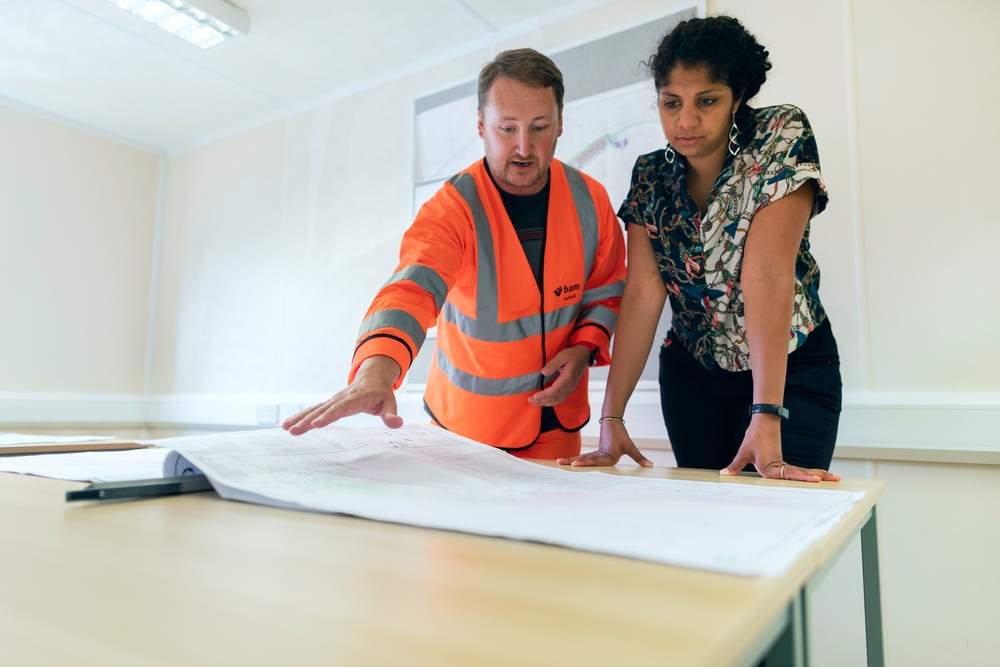
Australia's construction industry continues to experience steady growth, with projections extending through 2029. As the industry expands, quality assurance during building processes becomes increasingly vital for homeowners, investors, and developers alike.
Building inspections function as protective mechanisms, safeguarding property buyers from hidden defects and ensuring new constructions meet the stringent standards set by Australian building codes. Whether you are purchasing an established property or building a new home, understanding the inspection landscape is essential for protecting your investment.
This comprehensive guide explores the two primary categories of building inspections in Australia, detailing what each inspection covers, when they are required, and why they matter for your property journey. From mandatory new build inspections to recommended pre-purchase assessments, we cover everything you need to know to make informed decisions.
Building inspections are not merely a formality. They represent a critical investment in your property's safety, structural integrity, and long-term value. Skipping or rushing inspections can lead to costly surprises that far exceed the inspection fee.
Two Primary Inspection Categories
Building inspections in Australia fall into two distinct categories, each serving different purposes and occurring at different stages of the property ownership journey.
New Build Inspections (Mandatory)
For new constructions, a series of mandatory inspections are required at critical stages of the building process. These inspections are mandated by state and territory building regulations and must be completed before work can progress to the next stage. A licensed building surveyor or certifier conducts these inspections to verify compliance with the approved building plans and the National Construction Code.
Mandatory inspections protect homeowners by ensuring builders follow approved plans and construction methods. They provide legal documentation of compliance and create a paper trail should issues arise in the future. Without these inspections, obtaining an occupancy certificate is not possible, meaning you cannot legally move into your new home.
Pre-Purchase Inspections (Recommended)
When purchasing an existing property, pre-purchase building inspections are strongly recommended but not legally required. These inspections provide buyers with an independent assessment of the property's condition before committing to the purchase. A qualified building inspector examines the property for structural defects, maintenance issues, and potential problems that may not be visible to the untrained eye.
While not mandatory, pre-purchase inspections are considered essential by property experts and conveyancers. They provide valuable information for negotiating the purchase price and help buyers avoid properties with significant hidden problems. The small investment in an inspection can save tens of thousands of dollars in unexpected repair costs.
| Aspect | New Build Inspections | Pre-Purchase Inspections |
|---|---|---|
| Legal Requirement | Mandatory | Recommended |
| Purpose | Verify compliance with building codes | Assess condition of existing property |
| Who Conducts | Building surveyor or certifier | Independent building inspector |
| When Performed | During construction stages | Before property purchase |
| Typical Cost | Included in building costs | $400 to $800 |
Essential New Build Inspections (Mandatory)
When constructing a new home in Australia, several mandatory inspections must be completed at key stages. These inspections ensure the building meets structural requirements, safety standards, and complies with the approved plans. The following inspections are required across most Australian states and territories.
Footing and Foundation Inspection
The footing inspection is one of the most critical stages in the construction process. It occurs after the footings have been excavated but before concrete is poured. The inspector verifies that the footings meet the engineering specifications and will adequately support the structure above.
Key elements examined during the footing inspection include:
- Correct depth: Footings must reach the specified depth to ensure stability and load-bearing capacity, typically below the frost line and into stable soil
- Proper sizing: Width and dimensions of footings are verified against engineering plans to ensure they can support the anticipated loads
- Reinforcement specifications: Steel reinforcement bars must be correctly positioned, tied, and spaced according to structural engineering requirements
- Soil conditions: The inspector assesses whether the soil type matches the geotechnical report and is suitable for the proposed foundation design
- Structural stability: Overall assessment of the excavation to ensure it provides a stable base for the concrete pour
- Drainage provisions: Verification that appropriate drainage systems are in place to prevent water accumulation around footings
The foundation is literally what your entire home rests upon. Problems at this stage can lead to structural issues that are extremely difficult and expensive to rectify later. Never rush the footing inspection.
Slab Inspection
The slab inspection occurs before the concrete slab is poured for the main floor of the building. This inspection ensures the concrete base will be level, properly reinforced, and capable of supporting the structure above. For homes with suspended floors, this inspection covers the bearer and joist system instead.
The slab inspection verifies:
- Levelness: The formwork and preparation must be level to ensure a flat finished floor surface
- Thickness specifications: Slab thickness must meet engineering requirements, typically ranging from 85mm to 150mm depending on design
- Reinforcement mesh placement: Steel reinforcing mesh must be properly positioned with correct bar chairs to maintain cover depth
- Edge beams: Perimeter edge beams must be correctly formed and reinforced
- Plumbing and services: Verification that all under-slab plumbing, conduits, and services are correctly installed and tested
- Vapour barrier: Plastic membrane must be correctly installed to prevent moisture rising through the slab
- Curing quality provisions: Assessment that appropriate curing methods will be employed to ensure concrete strength development
| Slab Type | Application | Key Inspection Points |
|---|---|---|
| Raft slab | Reactive or unstable soils | Edge beam depth, internal beams, stiffening |
| Waffle pod slab | Moderate reactive soils | Pod placement, beam locations, reinforcement |
| Conventional slab | Stable ground conditions | Thickness, mesh cover, edge treatment |
| Suspended slab | Upper floors, sloping sites | Formwork, reinforcement, support structure |
Framing Inspection
The framing inspection is conducted once the structural framework of the building is complete but before internal linings, cladding, and insulation are installed. This is a critical inspection as it assesses the structural skeleton of your home, including walls, roof structure, and floor systems.
The framing inspection examines:
- Wall framing: Verification that wall studs, plates, and noggins are correctly sized, spaced, and fixed according to engineering specifications
- Roof trusses: Assessment of truss installation, including spacing, fixing, bracing, and connection to wall plates
- Floor joists: For raised floors, verification of joist size, spacing, bearings, and blocking
- Structural compliance: Overall assessment that the frame matches approved plans and engineering specifications
- Bracing: Verification that structural bracing systems are correctly installed to resist lateral forces
- Tie-down systems: Assessment of connections designed to resist uplift forces from wind loads
- Window and door openings: Verification that lintels and headers are correctly sized and installed
- Load paths: Assessment that loads are properly transferred from roof to foundations
The framing inspection is your last opportunity to identify structural issues before they are concealed behind wall linings. Any defects found at this stage can be rectified relatively easily compared to discovering problems after completion.
Waterproofing Inspection
Waterproofing inspections are mandatory in New South Wales and Queensland, and increasingly required or recommended in other states. This inspection verifies that wet areas such as bathrooms, laundries, and shower recesses have been properly waterproofed before tiling begins.
Waterproofing failures are one of the most common and costly defects in Australian buildings. Problems with waterproofing can lead to structural damage, mould growth, and costly repairs. The inspection ensures:
- Membrane application: Waterproof membrane has been correctly applied to all required surfaces
- Coverage: Membrane extends to appropriate heights on walls and fully covers floor areas
- Penetrations: All pipe penetrations and floor wastes are properly sealed
- Junctions: Internal corners, wall-floor junctions, and changes in materials are correctly treated
- Falls: Floors have adequate fall to drains to prevent water ponding
- Curing: Membrane has been allowed to cure properly before tiling
| Area | Minimum Membrane Height | Additional Requirements |
|---|---|---|
| Shower recess | 1800mm above finished floor level | Full floor coverage, hob treatment |
| Bathroom floor | 150mm up walls | Full floor area, step-down at door |
| Laundry | 150mm up walls | Tub waste, washing machine area |
| Balcony | 150mm up walls and door threshold | Drainage, flashing integration |
Final Inspection (Pre-Handover)
The final inspection, also known as the pre-handover or completion inspection, is the last mandatory inspection before you take possession of your new home. This comprehensive assessment verifies that all construction work has been completed to the required standard and in accordance with the approved building plans.
The final inspection covers:
- Alignment with building plans: Verification that the completed building matches the approved plans and any variations have been properly documented
- Outstanding defects: Identification of any construction defects, incomplete work, or items requiring rectification
- Compliance verification: Confirmation that all previous inspection items have been addressed and the building complies with the National Construction Code
- Safety systems: Testing of smoke alarms, safety switches, and emergency lighting where required
- Finishes: Assessment of paintwork, tiling, carpentry, and other visible finishes
- Fixtures and fittings: Verification that all specified fixtures and fittings are installed and operational
- External works: Assessment of driveways, paths, landscaping, and fencing as specified in the contract
The final inspection is your opportunity to identify defects before you sign off on the completed building. It is far easier to have the builder rectify issues before handover than to pursue defect claims afterwards.
New Build Inspection Stages Summary
The following table provides an overview of the mandatory inspection stages, what each inspection covers, and when it occurs during the construction process.
| Inspection Stage | When It Occurs | What It Covers | Key Focus Areas |
|---|---|---|---|
| Footing/Foundation | Before concrete pour | Excavations, reinforcement, soil conditions | Depth, sizing, steel placement, drainage |
| Slab | Before slab pour | Formwork, mesh, services, vapour barrier | Thickness, levelness, reinforcement, plumbing |
| Framing | Before lining and cladding | Wall frames, roof trusses, floor joists | Structural compliance, bracing, tie-downs |
| Waterproofing | Before tiling wet areas | Bathrooms, laundry, balconies | Membrane application, coverage, penetrations |
| Final | Before handover | Complete building assessment | Plan compliance, defects, safety systems |
Pre-Purchase Property Inspections
When buying an existing property, a pre-purchase building inspection provides invaluable information about the property's condition. Unlike mandatory new build inspections, these assessments are conducted by independent building inspectors engaged by the buyer to provide an unbiased evaluation.
A comprehensive pre-purchase inspection examines all accessible areas of the property, identifying existing defects, maintenance issues, and potential problems. The inspection follows Australian Standard AS 4349.1 for pre-purchase inspections for existing buildings.
Roofing Assessment
The roof is one of the most critical elements of any building, protecting the structure from weather damage. A thorough roof inspection includes:
- Roof covering condition, whether tiles, metal, or other materials
- Evidence of leaks, rust, or deterioration
- Flashing condition around penetrations and junctions
- Gutter and downpipe condition and function
- Roof space assessment including framing, insulation, and ventilation
- Signs of previous repairs or alterations
Foundation and Structural Assessment
Foundation problems can be among the most serious and expensive issues in a property. The inspection assesses:
- Evidence of foundation movement, including cracks in walls and floors
- Subfloor condition where accessible, including stumps, bearers, and joists
- Signs of subsidence or heave
- Drainage adequacy around the building
- Structural integrity of supporting elements
- Evidence of past or ongoing movement
Interior Structure Assessment
The interior inspection examines all accessible internal areas for signs of defects and deterioration:
- Wall and ceiling condition, including cracks, stains, and damage
- Floor condition and levelness
- Door and window operation and condition
- Built-in fittings and cabinetry
- Wet area condition including bathrooms and laundry
- Evidence of moisture, leaks, or water damage
Electrical Systems Overview
While a building inspector is not an electrician, they assess visible electrical installations for obvious safety concerns:
- Switchboard condition and safety switch presence
- Visible wiring condition
- Power point and light switch condition
- Smoke alarm presence and compliance
- Evidence of amateur or non-compliant electrical work
For a comprehensive electrical assessment, a licensed electrician should be engaged separately to test the electrical installation.
Plumbing Systems Overview
Similarly, visible plumbing is assessed for obvious defects and concerns:
- Hot water system type, age, and condition
- Visible pipe condition and materials
- Evidence of leaks under sinks and in wet areas
- Drainage function
- Tap and fixture condition
A licensed plumber can provide detailed assessment of plumbing systems, including camera inspection of drains and pressure testing.
Pest Inspections
While building inspections assess structural condition and defects, pest inspections specifically look for evidence of timber pest activity. A pest inspection is optional but highly recommended for any property purchase in Australia, particularly given the prevalence of termites and other wood-destroying organisms.
Termite Activity
Termites are responsible for approximately $1.5 billion in property damage annually in Australia. A pest inspection looks for:
- Active termite infestations
- Evidence of past termite activity
- Termite damage to structural and non-structural timbers
- Conditions conducive to termite attack
- Existing termite management systems
Wood Borers
Various species of wood-boring beetles can damage timber in buildings. The inspection identifies:
- Active borer infestations
- Evidence of past borer activity
- Extent of borer damage
- Timber types at risk
Wood Decay Fungi
Fungal decay can weaken timber structural elements. The inspection assesses:
- Evidence of fungal decay in accessible timbers
- Moisture conditions that promote fungal growth
- Extent of decay damage
Standard home insurance policies typically do not cover termite damage. A pest inspection before purchase can identify existing problems and help you understand ongoing prevention requirements.
| Pest Type | Signs of Activity | Risk Level | Recommended Action |
|---|---|---|---|
| Termites | Mud tubes, hollow timber, damaged wood | Very High | Immediate treatment required |
| Wood borers | Small holes, fine sawdust, damaged timber | Moderate to High | Assessment and targeted treatment |
| Wood decay fungi | Soft or crumbly timber, discolouration | Moderate | Address moisture, replace timber |
Why Professional Inspections Matter
Whether you are building a new home or purchasing an existing property, professional building inspections provide essential protection for what is likely your largest financial investment. Understanding the value of professional inspections helps justify the relatively modest cost.
Early Detection of Problems
Professional inspectors are trained to identify issues that untrained eyes would miss. Early detection allows problems to be addressed before they escalate into major defects requiring expensive repairs. For new builds, catching problems during construction is far easier and cheaper than rectifying them after completion.
Negotiation Power
A detailed inspection report provides valuable leverage in negotiations. For property purchases, identified defects can be used to negotiate a reduced purchase price or require the vendor to complete repairs before settlement. For new builds, documented defects must be rectified by the builder before you accept handover.
Documentation and Protection
Professional inspection reports create a documented record of the property's condition at a specific point in time. This documentation can be invaluable for:
- Insurance claims
- Warranty claims against builders
- Legal proceedings if disputes arise
- Future sale of the property
- Planning maintenance and repairs
Peace of Mind
Perhaps most importantly, a thorough professional inspection provides peace of mind. Knowing that your new home has been properly constructed or that you understand the condition of the property you are purchasing allows you to proceed with confidence.
Cost Comparison
Consider the cost of professional inspections against the potential cost of undetected problems:
| Item | Typical Cost |
|---|---|
| Pre-purchase building inspection | $400 to $600 |
| Combined building and pest inspection | $500 to $800 |
| New build stage inspections | $300 to $600 per inspection |
| Foundation repair | $10,000 to $50,000+ |
| Termite damage repair | $5,000 to $100,000+ |
| Waterproofing failure repair | $15,000 to $40,000+ |
| Major structural repairs | $20,000 to $100,000+ |
Choosing the Right Inspector
Selecting a qualified and experienced building inspector is crucial for obtaining an accurate and useful assessment. Not all inspectors are equal, and choosing the right one can make a significant difference to the value you receive.
Qualifications and Licensing
Building inspectors should hold relevant qualifications and licensing for your state or territory. Look for:
- Builder's licence: Many states require inspectors to hold a current builder's licence
- Relevant qualifications: Diploma or Certificate IV in Building and Construction, or equivalent
- Professional memberships: Membership in professional bodies such as the Australian Institute of Building Surveyors or Master Builders Association
- Pest inspection licence: For timber pest inspections, a separate pest control licence is required
Insurance Coverage
Reputable inspectors carry appropriate insurance to protect both themselves and their clients:
- Professional indemnity insurance: Covers claims arising from professional advice or services
- Public liability insurance: Covers injury or property damage during inspections
Request evidence of current insurance coverage before engaging an inspector.
Experience and Local Knowledge
Experience matters in building inspection. Look for inspectors with:
- Several years of inspection experience
- Background in building or construction trades
- Familiarity with local building practices and common issues
- Experience with the type of property you are purchasing or building
Inspection Standards
Ensure the inspector follows relevant Australian Standards:
- AS 4349.1: Inspection of buildings, Part 1: Pre-purchase inspections for existing buildings
- AS 4349.3: Inspection of buildings, Part 3: Timber pest inspections
Report Quality
Ask to see a sample report before booking. A quality inspection report should include:
- Clear photographs of identified issues
- Detailed descriptions of defects and their significance
- Recommendations for repairs or further investigation
- Assessment of major versus minor defects
- Clear, easy to understand language
Questions to Ask
When engaging an inspector, ask the following questions:
- What qualifications and licences do you hold?
- How many years of inspection experience do you have?
- Do you carry professional indemnity and public liability insurance?
- What does your inspection cover and what are the limitations?
- How long will the inspection take?
- When will I receive the report?
- Can I attend the inspection?
- What equipment do you use?
Frequently Asked Questions
What is the difference between a building inspection and a building survey?
Short answer: A building inspection assesses the physical condition of a property, while a building survey is a detailed assessment that may include measurements, drawings, and more comprehensive structural analysis.
Standard pre-purchase building inspections focus on identifying visible defects and maintenance issues. Building surveys are more comprehensive and may include detailed measurements, assessment of boundaries, and more thorough structural analysis. For most residential purchases, a standard building inspection is sufficient. Building surveys are typically required for commercial properties, heritage buildings, or properties with complex structural concerns.
Are building inspections mandatory when buying a house in Australia?
Short answer: No, pre-purchase building inspections are not legally mandatory, but they are strongly recommended by property experts and conveyancers.
While you can purchase a property without obtaining a building inspection, doing so carries significant risk. Hidden defects can cost tens of thousands of dollars to repair, and without an inspection, you have no way of knowing the property's true condition. Most conveyancers and property lawyers strongly advise obtaining a building inspection during the due diligence period. Some lenders may also require an inspection before approving a mortgage.
How much does a building inspection cost in Australia?
Short answer: Pre-purchase building inspections typically cost between $400 and $800, depending on property size, location, and the scope of the inspection.
Inspection costs vary based on several factors including property size, type of construction, location, and whether additional services such as pest inspection are included. Combined building and pest inspections usually offer better value than booking separately. While the cost may seem significant, it is a small price to pay compared to the potential cost of undetected defects. Some inspectors charge extra for thermal imaging or other specialised assessments.
What does a building inspection not cover?
Short answer: Building inspections have limitations and typically do not include testing of services, assessment of concealed areas, or specialist trades such as electrical and plumbing certification.
Standard building inspections are visual assessments of accessible areas. They do not include testing of electrical installations, detailed plumbing assessments, asbestos testing, structural engineering reports, or assessment of areas that are concealed, inaccessible, or covered by furniture and stored items. Swimming pools, septic systems, and air conditioning systems typically require specialist assessment. The inspection report will clearly state limitations and recommend further specialist investigations where warranted.
Should I get a building inspection for a new build?
Short answer: Yes, independent stage inspections are highly recommended for new builds, even though mandatory council inspections are conducted.
Mandatory inspections by building surveyors focus on compliance with building codes and approved plans. They do not necessarily identify all defects or quality issues. Independent stage inspections by a building inspector working on your behalf provide an additional layer of protection. These inspections focus on workmanship quality and identifying defects before they are concealed. Many defects are identified by independent inspectors that pass mandatory inspections.
Can I do my own building inspection?
Short answer: While you can conduct your own assessment, professional inspectors have the training, experience, and equipment to identify issues that most people would miss.
Professional building inspectors have years of training and experience in identifying defects. They understand construction methods, common failure points, and use specialised equipment such as moisture meters and thermal cameras to detect hidden problems. An untrained person may overlook significant issues or misinterpret what they see. Given the value of property purchases, the cost of professional inspection is a wise investment in protecting your interests.
How long does a building inspection take?
Short answer: A thorough building inspection typically takes 1.5 to 3 hours for a standard residential property.
The duration depends on property size, age, construction type, and accessibility of areas such as the roof void and subfloor. Larger properties or those with complex construction take longer. A rushed inspection is likely to miss important issues, so be wary of inspectors who spend less than an hour on site. Most inspectors will provide an estimated duration when you book. The written report is usually delivered within 24 to 48 hours after the inspection.
Key Takeaways
- Building inspections in Australia fall into two categories: mandatory new build inspections and recommended pre-purchase inspections for existing properties.
- New build inspections at footing, slab, framing, waterproofing, and final stages are required to ensure compliance with building codes and approved plans.
- Pre-purchase inspections, while not legally required, are essential for understanding a property's true condition before committing to purchase.
- Pest inspections are optional but highly recommended, particularly given Australia's high termite activity and the fact that standard insurance does not cover termite damage.
- Professional inspections provide early problem detection, negotiation power, documentation, and peace of mind for property buyers and builders.
- The cost of professional inspections is minimal compared to the potential cost of undetected defects, which can run into tens or hundreds of thousands of dollars.
- Choose inspectors based on qualifications, licensing, insurance, experience, and report quality rather than price alone.
- Building inspections are an essential investment in protecting your property purchase or new construction, providing valuable information and long-term peace of mind.
References and Resources
- Australian Building Codes Board (ABCB)
- NSW Fair Trading
- Victorian Building Authority (VBA)
- Queensland Building and Construction Commission (QBCC)
- Standards Australia (AS 4349.1 and AS 4349.3)
- Master Builders Australia
Get Professional Building Inspection Services
Protect your investment with comprehensive building inspections from our team of licensed and experienced inspectors. Whether you are buying an existing property or building a new home, we provide thorough assessments with detailed reports.
Book a Building Inspection