
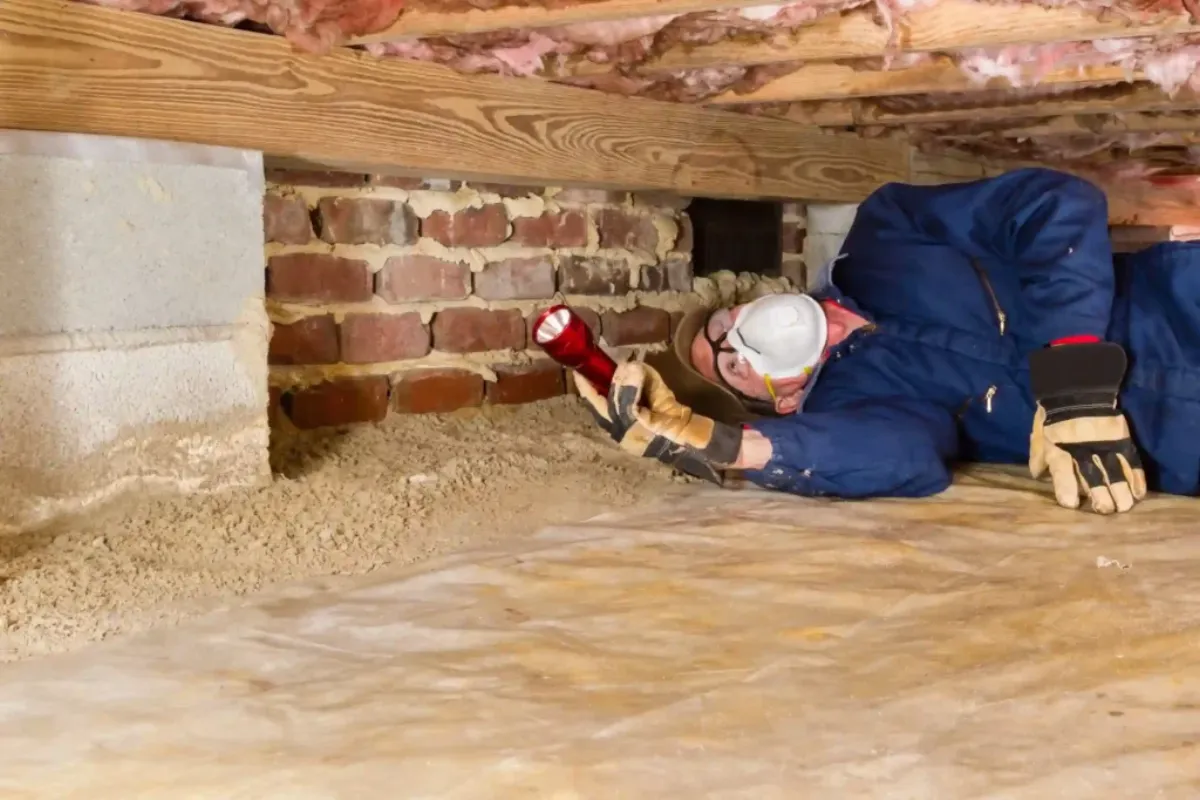
Restumping, also known as reblocking, is the process of replacing or reinforcing the stumps that support a house. In Australia, many homes, especially older ones, are built on stumps made of timber, concrete, or steel. Over time, these stumps can deteriorate due to moisture, soil movement, or termite damage, compromising the structural integrity of the house. If left unattended, weakened stumps can lead to uneven floors, cracked walls, and severe structural failures.
Quick Guide to Restumping a House:
- What restumping means and why Australian homes need it
- Signs a house needs restumping before structural damage worsens
- The full restumping process step by step
- Concrete vs timber stumps and which material lasts longer
- Cost of restumping a house in Australia
- Building permits and regulations homeowners should know
- How long house restumping usually takes
- Questions to ask before hiring a restumping contractor
- How soil movement and moisture affect house stumps
- Common mistakes homeowners make before restumping
Document Building Defects Before They Escalate
If restumping concerns are linked to cracks, uneven floors, or structural movement, proper defect documentation can help you understand the issue more clearly.
Document Defects
Why Restumping Matters for Australian Homes
Many Australian homes are built on timber, concrete, or steel stumps that support the structure above ground. Over time, these stumps can weaken because of moisture, shifting soil, termite activity, drainage problems, or age. When the foundation support begins to fail, the house may start showing visible signs such as sloping floors, cracks in walls, and doors that no longer close properly.
Restumping a house involves replacing damaged or unstable stumps to restore structural support and improve the stability of the property. In older Australian homes, especially weatherboard properties, restumping is often necessary after decades of movement and wear.
Foundation movement is common in areas with reactive clay soils, which expand and contract during changing weather conditions. This movement places pressure on house stumps and can gradually affect the structural integrity of the home. The Australian Government’s Your Home resource explains how soil movement impacts residential foundations and structural performance.
For homeowners, investors, builders, and property managers, identifying stump problems early can prevent expensive structural repairs later.
What Is Restumping a House?
Restumping, also known as house reblocking, is the process of replacing old or damaged stumps beneath a property. The stumps support the subfloor framework and help distribute the weight of the house evenly across the foundation.
Older Australian homes often used timber stumps because they were affordable and widely available. While timber stumps can last many years, they are vulnerable to moisture damage, termite attacks, and gradual deterioration. Modern restumping projects commonly use concrete or steel stumps because they offer improved durability and resistance to environmental conditions.
Restumping vs Reblocking
The terms restumping and reblocking are often used interchangeably across Australia. In many cases, both refer to replacing existing house stumps. However, some contractors use reblocking when all stumps are replaced, while restumping may refer to partial replacement work.
Restumping vs Underpinning
Homeowners sometimes confuse restumping with underpinning.
| Restumping | Underpinning |
|---|---|
| Replaces damaged stumps | Strengthens existing foundations |
| Common in raised homes | Common in slab homes |
| Improves floor leveling | Stabilises sinking foundations |
| Often used in older timber homes | Often used for severe structural movement |
The Australian Building Codes Board outlines foundation performance requirements for residential buildings under the National Construction Code.
Signs Your House Needs Restumping
Recognising the early signs of foundation issues can help homeowners avoid costly repairs. Here are key indicators that your home may need restumping:
- Uneven or sloping floors: One of the most common signs of stump failure is uneven flooring. Floors may slope, dip, bounce, or feel unstable when walked on. This usually happens because one or more stumps have shifted or deteriorated.
- Cracks in walls and ceilings: Foundation movement often causes plaster or drywall cracks around windows, door frames, ceilings, and corners of rooms. Small cracks may not always indicate serious problems, but widening cracks can signal ongoing movement beneath the house.
- Doors and windows no longer align: If doors suddenly become difficult to close or windows start sticking, the home may be shifting unevenly. Misaligned frames are a common sign that the foundation support has changed.
- Visible deterioration of stumps: Timber stumps can rot, crack, or suffer termite damage over time. Concrete stumps may crack due to soil movement, while steel stumps may corrode if exposed to excessive moisture. If timber damage or pest activity is suspected, a timber pest inspection can help confirm whether termites or borers have affected the subfloor.
- Gaps around skirting boards or flooring: Movement in the foundation can create visible gaps between floors, walls, and skirting boards. This usually develops gradually as the structure shifts.
Why Restumping Is Important
Ignoring stump problems can lead to larger structural issues that become more expensive to repair.
- Ensuring Structural Integrity and Safety: Restumping restores support beneath the home and helps redistribute structural loads evenly. This improves the overall stability of the property.
- Preventing Further Property Damage: As foundations continue shifting, additional damage may occur to walls, ceilings, roofing, tiling, plumbing, and flooring systems.
- Protects Property Value: Homes with unresolved foundation problems may lose value and become harder to sell. Buyers often request structural inspections before purchasing a property. A professional pre purchase building inspection can identify foundation movement and stump issues before settlement.
- Enhances Safety: Unstable flooring and weakened foundations can become safety hazards for occupants. Addressing stump problems early reduces structural risks.
How Soil Movement Affects House Stumps in Australia
Reactive soils are one of the leading causes of foundation movement across Australia. Clay soils expand when wet and shrink during dry periods. This constant movement places stress on house stumps and subfloor supports.
Common causes of soil movement include:
- Poor drainage around the property
- Plumbing leaks beneath the home
- Tree roots extracting moisture from the soil
- Seasonal weather changes
- Flooding or excessive rainfall
Managing drainage and moisture levels around the property can help reduce future stump movement.
The Restumping Process: Step by Step
Understanding the restumping process can help homeowners prepare for the work involved.
Assessment of Existing Stumps
Obtaining Building Permits
Jacking Up the House
Removing Old Stumps
Installing New Stumps
Releveling the House
Final Inspection
Restumping Process Timeline
Many homeowners ask, how long does restumping take?
The timeframe depends on:
- Size of the property
- Number of stumps replaced
- Soil conditions
- Accessibility beneath the house
- Weather conditions
- Permit approvals
| Type of Project | Estimated Timeframe |
|---|---|
| Partial restumping | 1 to 3 days |
| Full restumping small home | 5 to 7 days |
| Large or complex homes | 1 to 2 weeks |
Unexpected structural damage or poor weather can extend project timelines.
Get a Professional Inspection Before Major Repairs
A pre-purchase or defect inspection can help identify foundation movement, timber damage, and other warning signs before restumping work begins.
Services
Materials Used in Restumping
Choosing the right stump material affects durability, maintenance, and long term performance.
Concrete Stumps
Concrete stumps are widely used in modern Australian homes.
Pros
- Resistant to termites
- Long lifespan
- Low maintenance
- Strong structural support
Cons
- Can crack if soil movement is severe
- Heavier installation requirements
Timber Stumps
Timber stumps remain common in older properties.
Pros
- Lower upfront cost
- Easier to install
- Traditional appearance for heritage homes
Cons
- Vulnerable to termites
- Can rot from moisture exposure
- Shorter lifespan compared to concrete or steel
Steel Stumps
Steel stumps are becoming more common for modern structural repairs.
Pros
- High durability
- Resistant to termites and moisture
- Suitable for reactive soils
Cons
- Higher installation cost
- Requires corrosion protection in some environments
Concrete vs Timber Stumps
| Feature | Concrete Stumps | Timber Stumps |
|---|---|---|
| Lifespan | Long | Moderate |
| Termite Resistance | Excellent | Poor |
| Moisture Resistance | High | Moderate to low |
| Maintenance | Low | Higher |
| Cost | Moderate | Lower upfront |
| Common Use | Modern homes | Older homes |
Cost of Restumping a House
The cost of restumping varies based on factors such as the house size, number of stumps, material choice, accessibility, and soil condition.
Main Factors Affecting Cost
- Number of stumps needing replacement
- Size and weight of the house
- Material selection
- Site accessibility
- Soil conditions
- Permit requirements
- Additional structural repairs
Average Restumping Costs
| Type of Work | Average Cost Range |
|---|---|
| Partial restumping | $5,000 to $10,000 |
| Full restumping | $10,000 to $20,000+ |
| Complex structural repairs | Higher depending on scope |
Disclaimer: Costs can vary significantly depending on the location and structural condition of the home.
Building Permits for House Restumping
Restumping usually requires council approval because it involves structural foundation work.
Homeowners should:
- Check local council regulations
- Work with licensed contractors
- Ensure engineering requirements are met
- Confirm compliance with Australian building codes
The Victorian Building Authority explains permit requirements for structural building work in Victoria.
Common Mistakes Homeowners Make Before Restumping
Ignoring Early Warning Signs
Small cracks and uneven floors are often dismissed until the structural movement becomes severe.
Choosing the Cheapest Quote
Low pricing may lead to poor workmanship, inferior materials, or incomplete structural repairs.
Skipping Professional Inspections
Structural assessments help determine whether full restumping or partial repairs are necessary.
Failing to Address Drainage Problems
Poor drainage can continue damaging new stumps if moisture issues remain unresolved.
Choosing a Restumping Contractor
Selecting a reliable contractor ensures quality work. Here's what to look for:
- Licensing and insurance: Verify credentials to ensure compliance with local regulations and insurance coverage for potential damages
- Experience: Choose professionals with a track record of successful restumping projects, especially for homes similar to yours
- Reviews and references: Check testimonials, past client reviews, and request references from previous projects
- Transparent pricing: Get multiple quotes and ensure clear breakdowns of costs, including any potential additional expenses
Questions to Ask a Restumping Contractor
- Are you licensed and insured?
- Have you completed similar projects?
- What stump materials do you recommend?
- Do permits need to be arranged?
- How long will the project take?
- Is the work covered by warranty?
Why Multiple Quotes Matter
Obtaining several quotes helps homeowners compare:
- Scope of work
- Material quality
- Project timelines
- Structural recommendations
- Warranty coverage
Can Restumping Increase Property Value?
Foundation repairs can improve buyer confidence because structural stability is one of the most important considerations during property inspections.
Benefits may include:
- Improved floor leveling
- Better structural integrity
- Reduced risk for future buyers
- Easier property sales
- Increased confidence during building inspections
Internal Property Maintenance Tips After Restumping
After restumping is completed, homeowners should continue monitoring:
- Drainage around the property
- Plumbing leaks beneath the house
- Signs of termite activity
- Floor movement
- Cracking in walls or ceilings
Protect Your Property Before Foundation Problems Get Worse
Restumping helps restore structural stability, improve safety, and reduce the risk of long term property damage. If you notice uneven flooring, cracking walls, or signs of stump deterioration, arranging a professional structural assessment early can help prevent larger repair costs later.
Homeowners, investors, builders, and property managers should work with qualified professionals who understand Australian building standards, soil conditions, and structural movement. A professional inspection can help determine whether partial repairs or full house restumping is the best solution for the property.
For additional guidance on structural movement and foundation issues, consult trusted building professionals and relevant Australian building authorities before starting major structural repairs.
Need Help Assessing Foundation or Stump Issues?
Speak with Owner Inspections about structural concerns, property defects, or inspection support before making repair decisions.
Inspections
Frequently Asked Questions
Can you live in a house during restumping?
How often should a house be restumped?
Is restumping worth it?
What causes house stumps to fail?
Will restumping fix uneven floors?
Do you need council approval for restumping?
Can restumping fix wall cracks?
Is restumping covered by insurance?
Can restumping be a DIY project?
How do I know if my stumps are timber or concrete?
Key Takeaways
- Restumping (reblocking) is the process of replacing deteriorated stumps under a house to restore structural stability
- Warning signs include uneven floors, wall cracks, sticking doors/windows, and visible stump deterioration
- The process involves assessment, jacking up the house, removing old stumps, installing new ones, and lowering the house back down
- Concrete stumps are the most popular choice for durability and termite resistance
- Costs in Australia range from $5,000 to $20,000 depending on house size, materials, and conditions
- Building permits are typically required for restumping work
- Always use a licensed and insured contractor with a proven track record
- A professional building inspection can confirm whether restumping is needed and identify the full scope of work
Related Articles

How to Thoroughly Inspect the Condition of a House
A thorough house condition inspection protects buyers from hidden defects and costly repairs. This guide covers structural, electrical, plumbing, and pest checks.
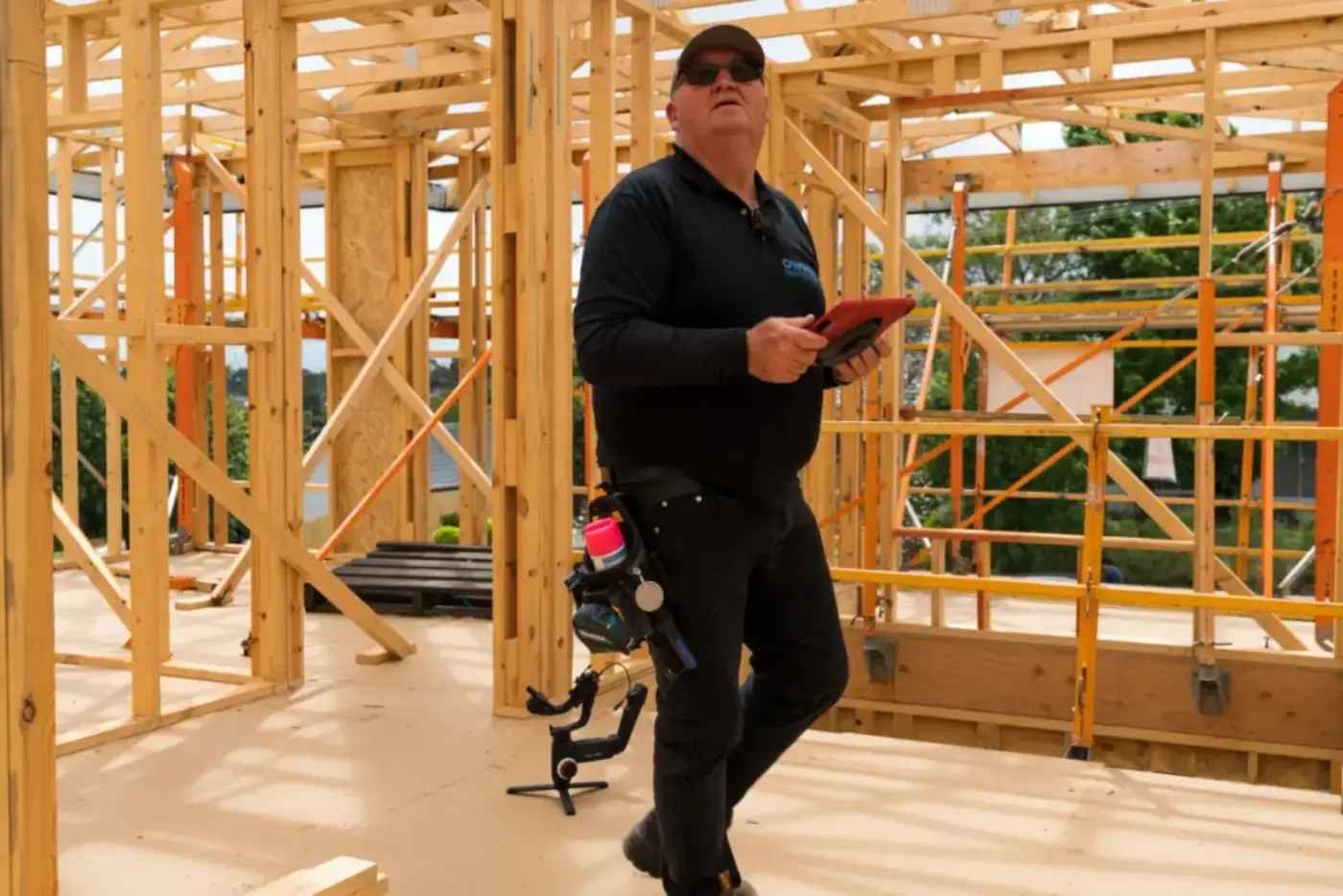
Structural Defect Inspections to Prevent Future Problems
Approximately one in five Australian homes experience structural issues. Learn how structural defect inspections can prevent expensive repairs and ensure safety.
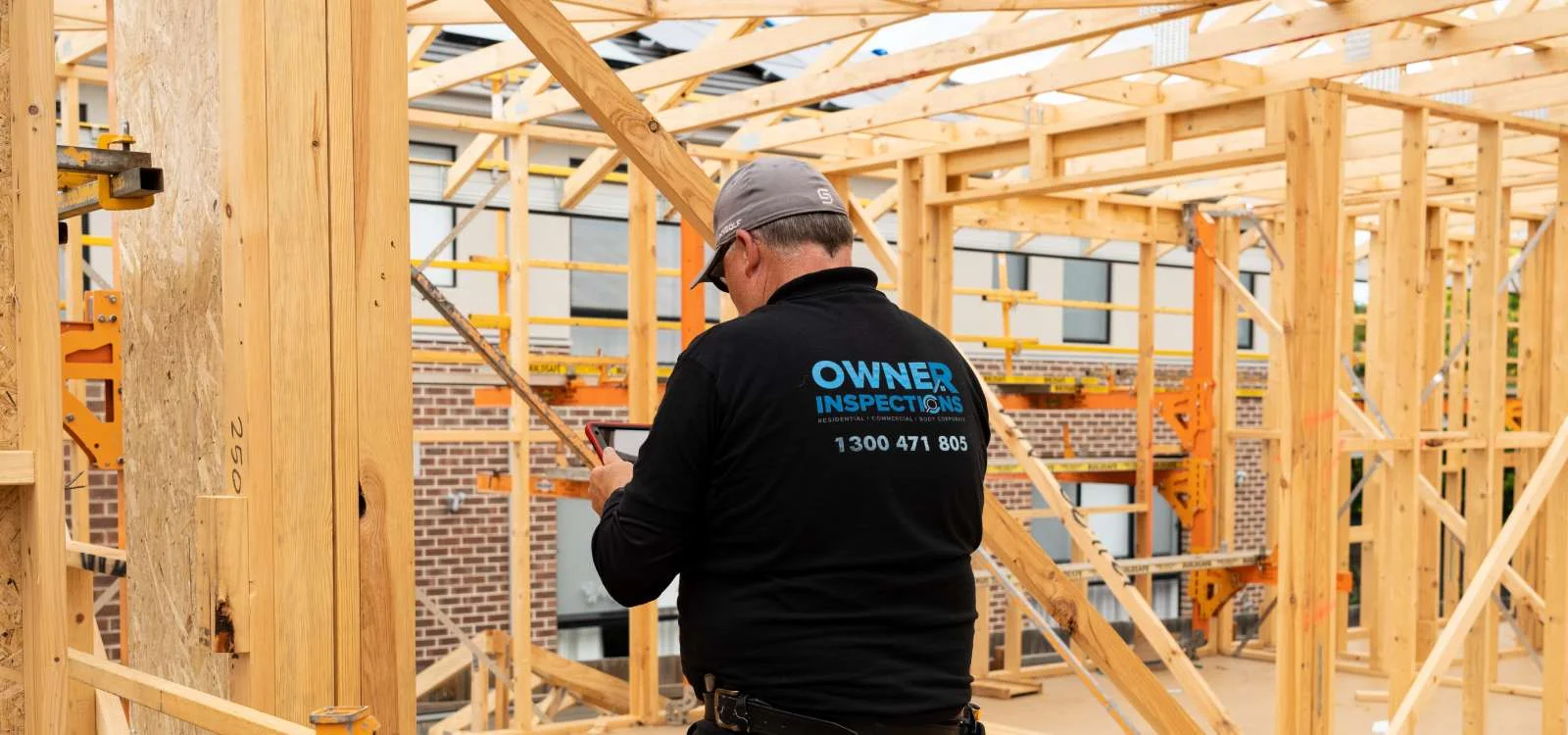
Common Frame Defects and How to Address Them
A home's framing system serves as its structural skeleton. This guide covers common frame defects in Australian homes, their causes, and how to identify and address them during construction inspections.
Assess Your Home's Foundation
Not sure if your home needs restumping? A professional building inspection can assess the condition of your stumps, identify foundation issues, and recommend the right course of action to protect your property.