
Section 137B of Victoria's Building Act 1993 requires owner-builders to obtain a defects inspection report from a registered building practitioner before selling a property within 6.5 years of construction completion. This regulation protects property buyers by ensuring that owner-builders disclose details about the construction work undertaken on a property, including any defects or compliance issues. If you are an owner-builder planning to sell, or a buyer purchasing an owner-built property, understanding Section 137B is important.
If you are an owner builder, a homeowner selling after renovations, a buyer reviewing recent construction work, or a real estate agent managing compliance obligations, understanding Section 137B of the Building Act 1993 matters. For broader guidance, see our Owner Builder Inspection Requirements by State guide.
This guide explains:
- What Section 137B of the Building Act 1993 means in Victoria
- Who must comply with the S137B Building Act
- When a 137B report is required
- Owner builder obligations under Section 137B
- Domestic building insurance requirements
- Defects inspection report rules
- Risks of non compliance
- How buyers, agents, and sellers can protect property transactions
Found Building Defects? Start Documenting Them Properly
If Section 137B issues reveal defects or incomplete work, clear records can help protect your position during sale, purchase, or dispute discussions.
Building Defects
Why Section 137B of the Building Act 1993 Matters in Victoria
Selling a property that has undergone building work is not always straightforward in Victoria. If you are an owner builder, a homeowner selling after renovations, a buyer reviewing recent construction work, or a real estate agent managing compliance obligations, understanding Section 137B of the Building Act 1993 matters.
The Building Act 1993 (Vic) establishes the legal framework that regulates building work, permits, practitioners, and consumer protections across Victoria.
Within that framework, section 137b introduces additional protections for buyers when owner builders sell residential property after carrying out building work.
In practical terms, s137b building act requirements focus on three major issues:
- Disclosure
- Defects reporting
- Buyer protection
These obligations become especially important when a property is sold within the prescribed period of 6.5 years after completion of owner builder work.
Failure to comply can create problems for:
- Property settlements
- Section 32 documentation
- Insurance compliance
- Buyer confidence
- Legal exposure
- Contract disputes
For many stakeholders, the issue is not whether the work itself is acceptable. The issue is whether the sale process satisfies building act regulations and disclosure obligations.
What Is Section 137B?
Section 137B of the Building Act 1993 sets out obligations that apply when an owner builder sells a home after carrying out domestic building work.
The purpose of this provision is to improve transparency and reduce the risk of buyers inheriting hidden defects, incomplete work, or non compliant construction outcomes. Under section 137b building act requirements, an owner builder who sells a property during the prescribed period may need to provide:
- A defects inspection report
- Domestic building insurance
- Supporting disclosure documentation
These obligations generally relate to residential domestic building work.
QWhat Counts as Building Work Under Section 137B?
Many people assume section 137b only applies to large construction projects.
That is not always correct.
Depending on the circumstances, relevant work may include:
- Structural renovations
- Home extensions
- Significant alterations
- Major remodelling
- Additions
- Rebuilding components of a dwelling
- Owner builder domestic construction work
Examples may include:
| Example | Potential S137B Relevance |
|---|---|
| New extension | Likely applicable |
| Major structural renovation | Likely applicable |
| Added second storey | Likely applicable |
| Cosmetic painting | Usually not applicable |
| Carpet replacement | Usually not applicable |
Exact obligations depend on project scope, permit requirements, and the nature of the completed work. Victorian building rules distinguish between regulated domestic building work and minor maintenance activities.
Understanding the 6.5 Year Rule Under Section 137B
One of the most searched questions in Google Search Console data is:
“When is a 137b report required?”
The answer often starts with the 6.5 year rule. Under section 137b of the building act 1993, owner builders selling property during the prescribed period face additional compliance obligations.
That prescribed period is commonly understood as 6 years and 6 months from completion of the owner builder work. This rule matters because many sellers renovate, improve, or extend a home and later decide to sell without realising extra compliance requirements may apply.
Why the Prescribed Period Matters
The timeframe exists to protect future purchasers from:
- Concealed structural problems
- Defective workmanship
- Incomplete building work
- Undisclosed compliance issues
- Unexpected repair costs
For buyers, the timeframe supports informed decision-making.
For sellers, it introduces additional preparation requirements before listing or settlement.
For agents, it creates a compliance checkpoint that should be addressed early in the sales process.
Who Does Section 137B Apply To?
The s137b building act affects several groups across Victoria’s property market.
Owner Builders
The strongest obligations typically apply to owner-builders. If an owner-builder completes work and later sells the property during the prescribed period, they may need to:
- Obtain a section 137b owner builder report
- Arrange domestic building insurance
- Provide required sale disclosures
- Support Section 32 documentation
Consumer Affairs Victoria explains that owner-builders selling within the prescribed period may need an inspection report and insurance obligations before sale.
Property Buyers
Buyers should conduct careful due diligence when purchasing homes involving recent construction work.
Key questions include:
- Was the work performed by an owner-builder?
- Was a 137b report prepared?
- Does domestic building insurance exist?
- Were permits obtained?
- Were defects disclosed?
A missing compliance document does not automatically mean a property is defective. However, missing documentation can increase transaction risk.
Real Estate Agents
Real estate professionals play an important role in identifying compliance issues before marketing begins.
Good practice often includes confirming:
- Owner-builder status
- Report availability
- Insurance requirements
- Permit records
- Section 32 documentation readiness
Early review can help reduce transaction delays and buyer disputes.
Builders and Building Practitioners
Registered builders operate under separate regulatory responsibilities. This creates confusion for many property owners. Not every seller requires a section 137b owner-builder report.The distinction between registered builders and owner-builders matters.
Owner Builder Obligations Under Section 137B
One of the most misunderstood parts of the S137B Building Act is the difference between general home renovations and owner-builder obligations under Section 137B.
If you completed domestic building work as an owner builder and plan to sell the property during the prescribed period, extra responsibilities may apply.
This is where many sellers discover the need for a section 137b owner builder report.
QWhat Is an Owner Builder Under Victorian Building Rules?
An owner builder is generally someone who takes responsibility for domestic building work on their own property rather than engaging a registered builder under a standard building contract.
Victorian rules distinguish owner builders from registered building practitioners because the owner builder assumes responsibility for the work.
That distinction affects:
- Compliance requirements
- Disclosure obligations
- Insurance requirements
- Property sale documentation
Core Owner Builder Responsibilities Under Section 137B
Where applicable, owner-builders selling within the prescribed period may need to address the following:
| Requirement | Owner Builder | Registered Builder Sale |
|---|---|---|
| Defects inspection report | May be required | Usually not required |
| Domestic building insurance | May be required | Different regulatory framework |
| Section 32 disclosure support | Yes | Depends on transaction |
| Prescribed period review | Yes | Different obligations |
Because every project differs, sellers should confirm obligations before listing a property.
What Is a 137B Report?
Many sellers search for this term only after preparing to sell.
A 137B report, commonly called a section 137B report or section 137B owner builder report, is a document prepared to help inform buyers about the condition of owner builder work before a property sale. The report is intended to improve transparency and reduce the likelihood of hidden defects becoming a post-settlement dispute.
Consumer Affairs Victoria explains that owner-builders selling within the prescribed period may need a report prepared by a prescribed practitioner.
What Does a Section 137B Report Usually Include?
A 137b owner builder defects report may assess issues relating to:
- Structural condition
- Visible defects
- Workmanship concerns
- Incomplete building work
- Safety observations
- Building compliance indicators
Depending on the inspection findings, the report may identify:
- Cracking
- Water ingress indicators
- Incomplete finishes
- Structural movement signs
- Workmanship concerns
- Items requiring further review
The purpose is not simply paperwork. The purpose is informed disclosure.
Section 137B Compliance Summary Table
The table below provides a quick overview of major S137B Building Act considerations.
| Topic | Key Takeaway |
|---|---|
| Section 137B purpose | Buyer protection and owner builder sale compliance |
| 6.5 year rule | Important prescribed period trigger |
| 137B report | May apply to owner builder sales |
| Domestic building insurance | May apply depending on circumstances |
| Buyers | Should conduct due diligence |
| Agents | Should support compliance readiness |
| Owner builders | May face additional sale obligations |
When Is a 137B Report Required?
A 137b report is generally relevant when:
- Owner-builder work has been completed
- Residential domestic building work is involved
- The property is being sold within the prescribed period
Many sellers assume permits alone satisfy compliance. That assumption can create delays during conveyancing or property preparation. Reviewing obligations early can reduce last-minute problems.
Who Can Prepare a Section 137B Owner Builder Report?
Not every inspector can automatically prepare a section 137b report. Victorian requirements refer to reports prepared by an appropriately qualified or prescribed practitioner under applicable rules.
Depending on project circumstances, this may involve suitably qualified building professionals. Because requirements can change, sellers should confirm current practitioner eligibility before arranging inspections.
Questions to Ask Before Booking a Report
Before engaging an inspector, ask:
- Are you authorised for Section 137B reporting?
- Do you understand owner-builder compliance requirements?
- Have you prepared 137B owner builder reports previously?
- What documentation will you require?
- What timeframe applies?
These questions help avoid delays and repeat inspections.
Section 137B Compliance Checklist for Property Sellers
For owner builder sales, a checklist can simplify preparation.
Section 137B Seller Checklist
| Compliance Item | Action Required |
|---|---|
| Confirm owner builder status | Review project history |
| Check prescribed period | Verify completion timeframe |
| Arrange 137B report | If applicable |
| Review domestic building insurance | Confirm requirements |
| Prepare Section 32 disclosure support | Coordinate with conveyancer |
| Verify permits and approvals | Gather documentation |
| Review compliance concerns | Resolve issues early |
Practical Steps Before Selling a Property With Owner-Builder Work
If your property includes recent construction, renovation, extension, or owner-builder activity, taking a proactive approach can make the sales process smoother.
Helpful preparation may include:
- Confirming whether owner builder rules apply
- Reviewing the 6.5 year prescribed period
- Understanding section 137b building act requirements
- Checking insurance obligations
- Arranging required reports early
- Coordinating documentation with your conveyancer or adviser
Preparation does not eliminate every issue. However, it often improves transparency, buyer confidence, and transaction readiness.
Need a Closer Look at Possible Building Defects?
A defect investigation can help identify visible issues, document concerns, and support better decision making before property negotiations continue.
Reports
Section 137B vs Registered Builder Responsibilities
Another frequent area of confusion involves registered builders versus owner-builders. The two are not treated identically under Victorian building regulations.
Owner-Builder Sale Obligations
An owner-builder selling within the prescribed period may face:
- Reporting obligations
- Insurance obligations
- Disclosure requirements
- Compliance checks tied to the sale
Registered Builder Context
Registered building practitioners operate under a separate professional regulatory system involving registration, professional responsibilities, and building industry compliance rules.
That does not remove all compliance obligations from a property transaction. It simply means the legal framework differs. Understanding that distinction can help sellers, buyers, and agents avoid applying the wrong rules to a transaction.
Domestic Building Insurance Requirements Under Section 137B
Another strong search theme connected to section 137b of the building act 1993 involves insurance.
Many sellers ask: “Do I need domestic building insurance?”
Under Victorian rules, domestic building insurance can become relevant where owner builder work meets applicable thresholds and a property is sold during the prescribed period.
QWhat Does Domestic Building Insurance Cover?
Domestic building insurance is designed to provide consumer protection in specific situations. Coverage may relate to issues involving:
- Defective building work
- Incomplete work
- Structural problems
- Circumstances involving unavailable builders
Insurance frameworks operate under defined conditions and should be reviewed carefully.
QDo Minor Renovations Need Domestic Building Insurance?
This is a common question from homeowners. Minor cosmetic work does not automatically trigger the same requirements as significant domestic building work. Project type, value, permits, and regulatory definitions matter.
Because circumstances differ, owners should verify obligations against current Victorian guidance rather than relying on assumptions.
How to Check Domestic Building Insurance Requirements
Good practice may include:
- Reviewing the project scope
- Confirming owner builder status
- Consulting current Victorian guidance
- Obtaining professional advice where needed
Early clarification often prevents compliance issues during sale preparation.
Legal Implications for Non Compliance With Section 137B
Failing to comply with Section 137B of the Building Act 1993 can create problems that extend well beyond missing paperwork.
For sellers, buyers, builders, and agents, non compliance can affect:
- Settlement timelines
- Buyer confidence
- Contractual negotiations
- Disclosure obligations
- Insurance matters
- Legal exposure
That is one reason the S137B Building Act continues to attract strong search interest across Victoria.
QWhat Happens if You Fail to Comply With S137B?
A common question among homeowners is: “What happens if I fail to comply with S137B when selling my home?”
The answer depends on the transaction and the nature of the missing compliance requirement.
Potential consequences may include:
- contract complications
- buyer disputes
- delayed settlement
- Requests for additional documentation
- Increased legal risk
Victorian consumer guidance highlights the importance of correct owner builder disclosure, insurance obligations, and required reporting when applicable.
Property transactions often involve multiple parties including:
- Conveyancers
- Solicitors
- Buyers
- Lenders
- Real estate agents
Missing documents can create friction at several points in the process.
Buyer Rights Under Section 137B
Buyers are not passive participants in a transaction involving owner builder work. Due diligence matters.
Buyers may review:
- Building permits
- Owner builder status
- Inspection documentation
- Insurance details
- Property disclosures
Questions buyers commonly ask include:
- Was the work approved?
- Is a 137b report available?
- Were defects disclosed?
- Does domestic building insurance apply?
- Were compliance documents included in the sale process?
Early clarification can help buyers understand project history before settlement. If defects are likely to become part of a formal dispute, this guide on how to document building defects for a legal claim may help you understand what evidence to keep.
Section 32 Documentation and Section 137B Compliance
Another important but often overlooked issue is Section 32 documentation. In Victoria, property transactions commonly involve a Section 32 Vendor Statement, which provides important information to buyers before sale. Where owner builder work exists, supporting compliance information may become highly relevant to disclosure preparation.
Depending on the circumstances, sellers may need to coordinate:
- Conveyancers
- Legal advisers
- Inspectors
- Insurance providers
- Compliance documentation
Strong preparation before listing can reduce last-minute requests from buyers and legal representatives.
Common Section 137B Mistakes That Delay Property Sales
Google Search Console data shows users want practical answers, not only legislative summaries.
Many delays come from avoidable preparation issues.
1. Leaving Compliance Checks Too Late
Some sellers only investigate section 137b building act requirements after accepting an offer.
That timing can create pressure. Early review is usually easier.
2. Confusing Cosmetic Work With Regulated Building Work
Replacing paint, decorating, or minor maintenance does not always trigger the same obligations as regulated domestic building work. However, assumptions can be risky.
Structural alterations, additions, and substantial renovations may attract different compliance considerations.
3. Using the Wrong Inspector
Not every practitioner automatically provides a section 137b owner builder report. Seller preparation should include confirming practitioner suitability before arranging inspections. To understand how defect reporting differs from general building inspection work, read Defect Investigation Report vs Building Inspection Report
4. Ignoring Domestic Building Insurance Questions
Insurance misunderstandings frequently create confusion.
Some owners incorrectly assume:
- Permits replace insurance
- Small projects never matter
- Owner-builder work carries no additional sale obligations
Reviewing insurance requirements early can help reduce surprises.
5. Missing Documentation During Section 32 Preparation
Property transactions move faster when documents are organised.
Helpful preparation often includes:
- Permits
- Approvals
- Insurance documents
- Inspection records
- Compliance paperwork
Role of the Victorian Building Authority in Section 137B Compliance
The Victorian Building Authority (VBA) plays a central role in Victoria's building regulation system.
The VBA oversees building practitioner registration, regulatory functions, consumer information, and broader building industry compliance activities.
How the VBA Supports Compliance
The VBA provides information and guidance relating to:
- Owner builders
- Permits
- Domestic building work
- Practitioner registration
- Building rules
- Compliance expectations
This makes the organisation an important resource for:
- Homebuyers
- Homeowners
- Builders
- Developers
- Real estate professionals
How to Verify a Building Practitioner
Another strong practical search intent concerns practitioner verification.
Before engaging a professional, stakeholders may wish to confirm:
- Registration status
- Licence details
- Professional standing
- Relevant service capability
Victorian consumers can review practitioner information through official VBA resources.
Where to Find Reliable Resources About Section 137B
Legal compliance content should rely on trusted sources. For s137b building act research, useful starting points include:
Victorian Building Authority
Consumer Affairs Victoria
Victorian Legislation Website
Australian Building Codes Board
Consequences of Non-Compliance
Failure to comply with Section 137B can result in serious consequences for the seller:
- Significant fines imposed by the Victorian Building Authority (VBA)
- Buyers may have the right to terminate the contract of sale
- Legal claims for damages if defects are discovered after purchase
- Enforcement action by the VBA, including further legal proceedings
Need Help With Section 137B Compliance?
Understanding Section 137B of the Building Act 1993 can be challenging for homeowners, buyers, builders, and agents especially when deadlines, disclosures, insurance obligations, and defects reporting intersect.
If you are preparing to sell a property involving owner builder work, obtaining professional guidance early can help clarify compliance requirements and reduce delays.
Ensure your property transaction complies with the S137B Building Act. Consult with a licensed building practitioner to obtain the necessary inspection reports and protect your investment.
You may also find these services useful:
- 137B Owner Builder Reports (Coming Soon)
- Defect Investigation Reports
- Pre-Purchase Inspections
- Pre-Sale Inspections
- Dilapidation Reports
Check Your Inspection Options Before You Proceed
Owner Inspections does not currently provide Section 137B Reports, but our team can help with available inspection services and guide you to the right next step.
Inspections
Frequently Asked Questions
What is the purpose of Section 137B in the Building Act 1993?
What is a 137B report?
When is a 137B report required?
Who is responsible for obtaining a defects inspection report?
How long is a defects report valid?
Do minor renovations require domestic building insurance?
Can buyers refuse a sale if a defects report raises concerns?
How can I check if a practitioner is licensed or registered?
Where can I understand my obligations under the Building Act?
What should real estate agents do to support Section 137B compliance?
Key Takeaways
- Section 137B of Victoria's Building Act 1993 requires owner-builders to provide a defects inspection report when selling within 6.5 years of completing building work
- The report must be prepared by a registered building practitioner and is valid for six months
- Domestic building insurance is required when owner-builder work exceeds $16,000
- Non-compliance can result in fines, contract termination, and legal claims
- Minor cosmetic renovations are generally exempt from the requirement - Licensed builder work is covered by separate warranty and insurance frameworks
- Buyers should always request the Section 137B report as part of their due diligence on owner-built properties
Related Articles
How Changes During Construction Affect the Section 137B Report
Construction modifications can significantly impact your Section 137B Report compliance. Learn how to navigate changes and maintain compliance in Victoria.
What Does a Building Inspector Do in Victoria?
Building inspectors in Victoria assess property safety, compliance, and construction quality. Learn about their qualifications, responsibilities, and when you need one.
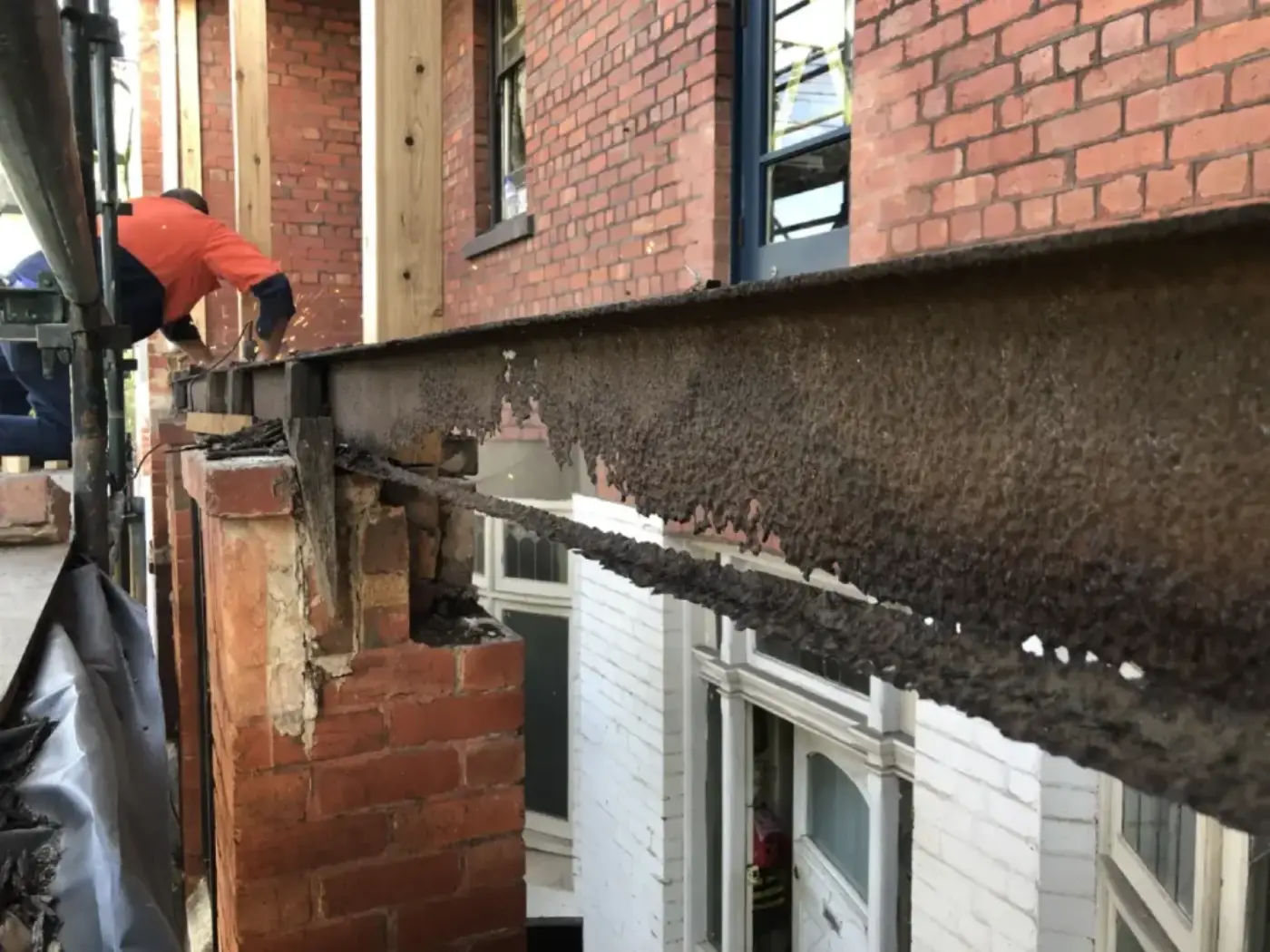
Construction Defect Inspection: Identify and Prevent Issues
Construction defect inspections systematically assess property structure, materials, and workmanship to identify faults and ensure compliance with Australian Building Codes.
Need a Section 137B Defects Inspection Report?
If you are an owner-builder selling in Victoria, we provide qualified Section 137B defects inspection reports prepared by registered building practitioners. Ensure compliance and protect your sale.